



Compatible yeast strains for LAKTIA LEVEL 2
LAKTIA LEVEL 2 is typically used in sequential fermentation, where Lachancea thermotolerans first produces lactic acid and is then followed by a Saccharomyces cerevisiae yeast strain, which completes the alcoholic fermentation. Most wine, cider and mead Saccharomyces cerevisiae yeast strains can be used, but robust and aroma-enhancing strains provide the most stable results.
Properties - Level 2 LAKTIA from Lalvin
-
Produces lactic acid from glucose, 1 g/L glucose: approx. 1 g/L lactic acid
-
Can reduce pH
-
Increases freshness and aromatic complexity
-
Especially suitable for cider and grape must with naturally low acidity
LAKTIA - Application
-
Added at the start of fermentation before continuing with your selected Saccharomyces yeast strain
-
Dosage: 25 g/hL
-
Longer contact time in the must results in higher lactic acid production
-
Tolerates up to approx. 7% alcohol
-
Has a high nitrogen demand from Goferm Protection Evolution
Yeast strategy
-
Add LAKTIA LEVEL 2 at the start of fermentation
-
Allow the yeast to work in the must for approx. 24–72 hours to produce lactic acid
-
Then add a Saccharomyces cerevisiae to complete fermentation
This method provides natural acid increase, better balance and greater aromatic complexity in wine, cider and mead.
Recommended Saccharomyces yeasts
-
EC-1118 – very robust yeast with reliable completion of fermentation
-
QA23 – enhances fruity aromas and freshness
-
71B – enhances fruit and provides softer acidity
-
ICV D47 – contributes body and complexity
Especially suitable for
- Grapes with low acidity
- Cider production where freshness and balance are essential
Why should you use LAKTIA™
- Natural acid formation in must without adding acid
- Increases freshness and provides a significantly more balanced taste profile
- Creates greater aromatic complexity
- Ideal for raw materials with low natural acidity
- Provides better control over pH
- Longer contact time before Saccharomyces results in higher lactic acid production
Strong performance under demanding conditions
- Very low fermentative capacity – works without dominating alcoholic fermentation
- Performs well at low temperatures
- Tolerates up to 7% alcohol
- Delay Saccharomyces addition up to 72 hours for maximum acid production
Find LEVEL2 LAKTIA datasheet here
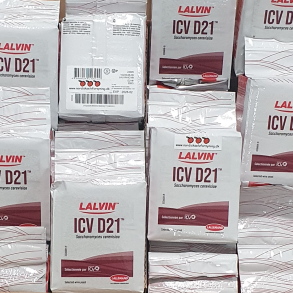
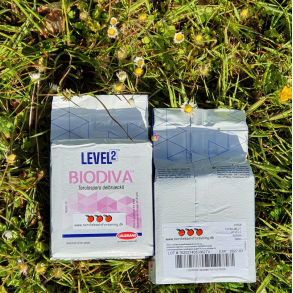
LEVEL2 BIODIVA™ Non-Saccharomyces Yeast
280223
Cider, fruit wine, berry wine, mead, ice wine, red wine & white wine
Price from 4,00 EUR
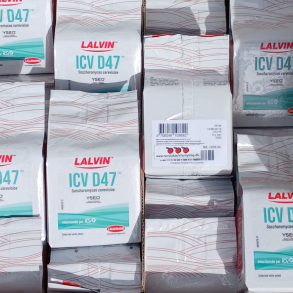
LALVIN ICV D47™
080823
White Wines, Ciders, Perry, Light Fruit Wines + Mead Styles, Rosé & Sparkling Wines
Price from 3,00 EUR
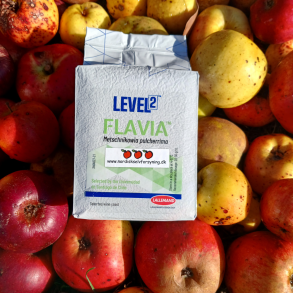
LEVEL2 FLAVIA™ non-Saccharomyces wine yeast
020326
Enhances aromatic complexity in cider, white and rosé
Price from 5,00 EUR