



LEVEL2 INITIA™ from Lallemand - Wine, rosé & cider with maximum aroma, purity and stability
Isolated in Burgundy by Institut Français de la Vigne et du Vin (IFV), Beaune, France
Protect aroma and color from the very first moment with LEVEL2 INITIA
This non-Saccharomyces yeast works actively by removing oxygen and protecting against oxidation, so your raw materials retain their fresh character and natural color.
Avoid sulfur – More natural quality
With LEVEL2 INITIA™, you can completely avoid sulfur dioxide (SO₂) and still achieve a safe and stable process. Perfect for modern winemaking with a focus on low intervention. Outcompete unwanted microorganisms; INITIA non sacc inhibits wild yeast strains and bacteria that can otherwise cause faults such as volatile acidity and unstable fermentation.
When you combine Metschnikowia pulcherrima and Saccharomyces cerevisiae in a sequential fermentation, you get the best of both worlds: natural aroma development and safe, stable fermentation.
More aroma, complexity and character with LEVEL2 INITIA
Metschnikowia pulcherrima works first and releases aroma compounds and enzymes that elevate the wine’s aroma and flavor.
When Saccharomyces cerevisiae takes over later, these nuances are preserved and enhanced.
Cleaner and more controlled fermentationMetschnikowia pulcherrima yeast helps to:
Then an added Saccharomyces cerevisiae yeast strain ensures:
|
LEVEL2 INITIA - Less need for additions
The natural protection from Metschnikowia pulcherrima makes it possible to:
- Avoid the use of sulfur dioxide (SO₂)
- Work more gently and naturally
- Establishment and growth capacity: high
- Optimal temperature range: 4 to 18 °C
- No formation of unwanted compounds such as volatile acidity, SO2, H2S etc.
- Requires inoculation with selected Saccharomyces cerevisiae yeast for alcoholic fermentation
- Nutrient management: systematic nutrient addition when inoculating with Saccharomyces cerevisiae yeast is recommended
INITIA - Prerequisites
- General sensory contribution: Bioprotection
- Minimum temperature: 4 °C
- Maximum temperature: 18 °C
- Nutrient requirement: High
- SO2 production: Very low
- Alcohol tolerance: 3 %
Flexible style control
By controlling when you add Saccharomyces cerevisiae yeast, you can influence:
- Aroma intensity
- Fruitiness
- Complexity
- More fruit and floral notes
- Greater depth and complexity
- More “natural” expression
Sequential inoculation with Metschnikowia pulcherrima and Saccharomyces cerevisiae
When using LEVEL2 INITIA™ Metschnikowia pulcherrima you work with sequential inoculation, where this yeast first establishes itself and performs its bioprotective function before the main fermentation is started.
Recommended practice
- INITIA is added first to the must
- It is then given time to establish itself
- Saccharomyces cerevisiae is typically added after 24–48 hours
What determines timing in practice
The interval depends on production goals and conditions:
Shorter time - approx. 24 hours:
- High risk of spontaneous fermentation
- High temperature
- Desire for a quick, controlled start
Longer time up to 48 hours:
- Low temperature, typically 8–12 °C
- Focus on aroma protection and thiols
- Stable and clean must
Technical explanation
INITIA has:
- Very low fermentation capacity
- High oxygen consumption capacity
- The ability to dominate microbiologically at an early stage
This means that it:
- Stabilizes the must through bioprotection
- Reduces the need for SO2
- Protects aromas before alcoholic fermentation begins
But it cannot complete the fermentation, which is why Saccharomyces cerevisiae must always be added afterwards.
Practical rule of thumb
Add Saccharomyces cerevisiae when INITIA has had time to establish itself – typically after 1–2 days, before spontaneous fermentation begins.
✔ More aroma and complexity
✔ Cleaner and more stable process
✔ No use of sulfur
✔ Fantastic for cider, white and rosé
A modern method for those who want to combine the expression of natural wine with professional control.
INITIA from Lallemand - Dosage and explanation
The dosage range of 5–20 g/ hL depends on your fermentation conditions and desired level of control.
- At low temperatures, with clean must and low microbiological risk, 5–10 g/hL is often sufficient
- At higher temperatures, longer prefermentation, high sugar (oe.) or increased risk of unwanted microbiology, 10–20 g/hL is recommended for better dominance and stability
- In short: choose a low dosage under clean and uncomplicated conditions – and a higher dosage when you want maximum fermentation security or are working with more demanding must
You can find the datasheet for Lallemand INITIA here

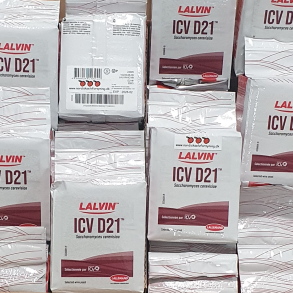
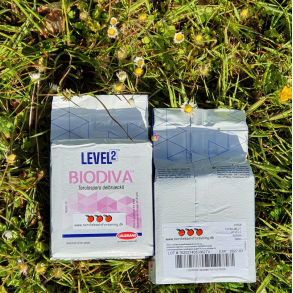
LEVEL2 BIODIVA™ Non-Saccharomyces Yeast
280223
Cider, fruit wine, berry wine, mead, ice wine, red wine & white wine
Price from 4,00 EUR
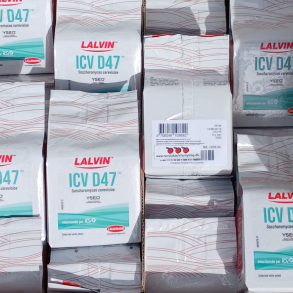
LALVIN ICV D47™
080823
White Wines, Ciders, Perry, Light Fruit Wines + Mead Styles, Rosé & Sparkling Wines
Price from 3,00 EUR